Root Canal Treatment in Bangalore
Tooth pain can make it hard to eat, sleep or focus. Sometimes, the pain points to a problem inside the tooth. Deep decay, cracks or an injury can damage the soft tissue inside it. In such cases, a dentist may recommend root canal treatment.
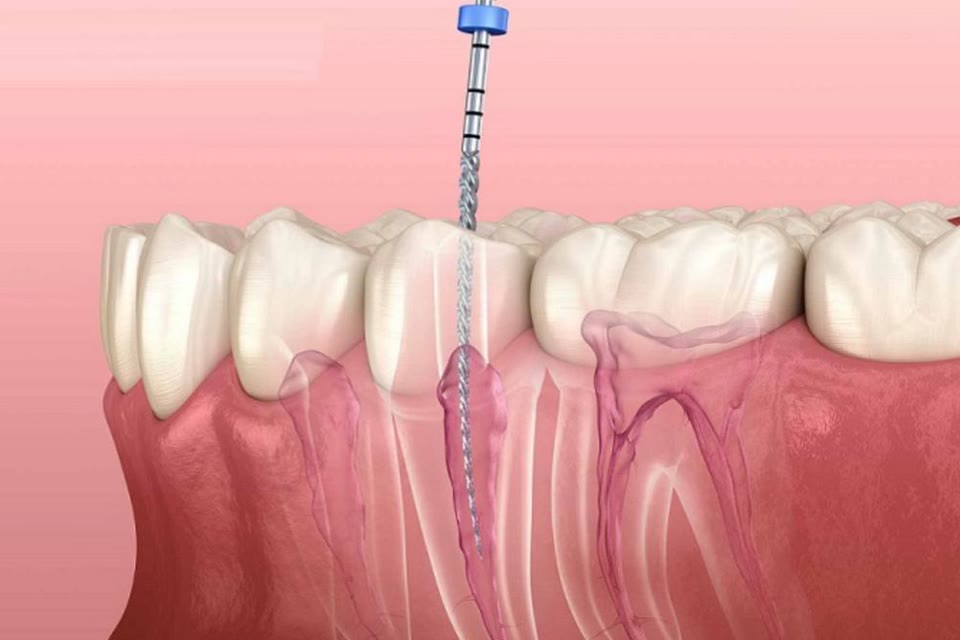
At Swiss Dental, you can discuss your symptoms and learn about your treatment options. If you are looking for root canal treatment in Bangalore, a dental check-up can help identify the cause of your pain. Your dentist will examine the tooth and suggest the next steps based on its condition.
When Do You Need Root Canal Treatment?
The pulp is the soft tissue inside your tooth. It contains nerves and blood vessels. Deep decay, cracks or an injury can damage this tissue. Bacteria may then cause an infection.
Your dentist may suggest root canal treatment if the pulp becomes badly damaged or infected.
Common Signs of Tooth Pulp Damage
Look out for these signs:
- Tooth pain that keeps returning.
- Sensitivity to hot or cold food and drinks.
- Pain when you bite or chew.
- Swelling or tenderness near a tooth.
- A tooth that looks darker than before.
- A small, pimple-like swelling on the gums.
These signs do not always mean you need a root canal. Other dental problems can cause similar symptoms. Visit a dentist to find the cause.
What Causes Damage Inside a Tooth?
Tooth decay is a common cause of pulp damage. When decay reaches the inner part of a tooth, bacteria can cause inflammation or infection.
A cracked tooth or dental injury can also damage the pulp. In some cases, repeated dental work may affect the tissue inside the tooth. Early care can help your dentist assess the damage and discuss suitable treatment.
What Is Root Canal Treatment?
Root canal treatment helps treat damage or infection inside a tooth. During the procedure, the dentist removes the affected pulp. The dentist then cleans the root canals, fills them and seals the tooth.
The main goal is to remove the source of infection and save the natural tooth when possible. Keeping your natural tooth can help you chew and maintain the position of nearby teeth.
However, treatment does not suit every damaged tooth. Your dentist must check whether the tooth can be saved and restored.
How Is Root Canal Treatment Performed?
The steps depend on the tooth and the extent of the damage. In most cases, the dentist follows these stages.
Dental Examination and X-rays
First, your dentist checks the tooth and asks about your symptoms. The dentist may take an X-ray to examine the roots and nearby bone.
These checks help the dentist understand the problem. They also help determine whether root canal treatment is suitable.
Cleaning the Root Canals
The dentist usually gives local anaesthesia to reduce pain during the procedure. Next, the dentist makes a small opening in the tooth to reach the pulp.
The dentist removes the damaged tissue and cleans the root canals. This step helps remove bacteria and prepare the tooth for filling.
Filling and Sealing the Tooth
After cleaning the canals, the dentist fills them with a suitable dental material. The dentist then seals the tooth to help prevent bacteria from entering again.
Depending on your case, the dentist may place a temporary filling first. The dentist will explain when you need the final restoration.
Restoring the Tooth
After root canal treatment, your tooth may need a filling, an onlay or a dental crown. The right choice depends on how much healthy tooth structure remains.
A suitable restoration helps protect the tooth during chewing. Follow your dentist's advice about the type and timing of the final restoration.
Is Root Canal Treatment Painful?
Many people worry about pain during a root canal. Dentists usually use local anaesthesia to reduce discomfort during treatment.
You may feel some soreness after the procedure. This can happen because the tissues around the tooth were inflamed before treatment. The amount of discomfort varies from person to person.
Follow your dentist's care instructions. Take medicines only as directed. If pain gets worse, swelling increases or symptoms do not improve, contact your dentist.
How Many Visits Does Root Canal Treatment Take?
Some root canal treatments take one visit. Others need two or more appointments. The number of visits depends on the tooth, the infection and the complexity of the root canals.
Your dentist will explain the likely treatment plan after examining your tooth. Do not assume that every case can be completed in one day.
How Much Does Root Canal Treatment Cost in Bangalore?
The cost of root canal treatment in Bangalore varies from one patient to another. The tooth being treated and the complexity of the procedure can affect the total cost.
The final restoration can also change the price. For example, your dentist may recommend a crown to protect a weakened tooth.
What Affects the Cost of Root Canal Treatment?
Several factors can affect the cost:
- The location of the tooth.
- The number and shape of its root canals.
- The extent of the infection or damage.
- The X-rays or other tests you need.
- Any additional treatment.
- The type of final restoration.
Ask your dentist for an estimate after the examination. Also, check whether the quoted fee includes the final filling or crown. Swiss Dental can explain the available options during your consultation.
Is a Crown Necessary After Root Canal Treatment?
Not every tooth needs a crown after a root canal. Your dentist will consider the amount of healthy tooth structure that remains. The tooth's location and chewing pressure also matter.
Back teeth often face greater pressure when you chew. For this reason, a dentist may recommend a crown to protect a weakened back tooth. Other teeth may need a different type of restoration.
Ask your dentist why they recommend a particular option. The right choice depends on your tooth and its condition.
Recovery and Care After Root Canal Treatment
Your recovery depends on the condition of the tooth and the treatment you receive. You may notice mild tenderness for a short time. This should improve as the area heals.
Follow the instructions your dentist gives you. Keep brushing and cleaning between your teeth. Take any prescribed medicine as directed.
What Can You Eat After Treatment?
Choose soft foods if your tooth feels tender. Avoid hard foods that could damage the tooth or a temporary filling. Try not to chew on the treated tooth until your dentist says it is safe.
Keep your follow-up appointments. If your dentist recommends a crown or another final restoration, arrange it as advised. A tooth without its final restoration may be more likely to crack.
When Should You Contact Your Dentist?
Contact your dentist if you notice:
- Severe or worsening pain.
- Increasing swelling.
- Pain when you bite that does not improve.
- A temporary filling that comes loose.
- Symptoms that last longer than your dentist expected.
Seek urgent medical care if facial swelling makes it hard to breathe or swallow.
Root Canal Treatment at Swiss Dental
Tooth pain can have several causes. A dental examination helps identify the problem and guide your treatment.
At Swiss Dental, you can discuss your symptoms and learn about suitable treatment options. Your dentist can also explain the procedure, expected recovery and likely costs.
If you need root canal treatment in Bangalore, contact Swiss Dental to enquire about an appointment.
Frequently Asked Questions About Root Canal Treatment
01How much does root canal treatment cost in Bangalore?
The cost depends on the tooth, the complexity of treatment and the final restoration. Ask your dentist for an estimate after an examination.
02Can a dentist complete root canal treatment in one day?
Yes, some cases can be completed in one visit. Others need more appointments. Your dentist will decide based on the condition of your tooth.
03How long does pain last after root canal treatment?
You may feel some tenderness after treatment. It should improve over time. Contact your dentist if the pain becomes severe or does not improve.
04Is root canal treatment safe?
Dentists commonly use root canal treatment to manage damaged or infected pulp. Your dentist can explain the benefits, risks and other options based on your tooth's condition.
05Do I need a crown after a root canal?
Not always. Your dentist may recommend a crown if the tooth needs extra support. The decision depends on the tooth's location and the amount of healthy structure left.
06Can a tooth last for many years after a root canal?
A treated tooth can remain useful for many years. Its long-term condition depends on the treatment, final restoration and daily oral care. Regular dental check-ups help your dentist monitor the tooth.
07Why does root canal treatment cost vary?
The cost can vary due to the tooth's location, the number of root canals, the extent of damage and the restoration needed.